The Invisible Upgrade: Where Millions in Casino R&D Actually Goes (Hint: It's Not the Graphics)
Walk into any major US casino after a floor refresh and you might notice a few new cabinets, maybe a brighter LED display or two. But if you think that's where the money went, you're looking at the wrong part of the machine entirely.
Casinos and slot developers are funneling tens — sometimes hundreds — of millions of dollars into upgrades that most players will never consciously register. No flashy announcement. No ribbon cutting. Just a quietly transformed experience that nudges behavior, tightens security, and keeps the house running smoother than ever before.
So where does all that money actually go?
Anti-Cheat Systems You'll Never Know Are Watching
Let's start with the unglamorous stuff: fraud prevention. Slot machines have always attracted cheaters, from old-school coin-on-a-string tricks to modern exploits targeting software vulnerabilities. Today's casinos are spending heavily on machine-learning-powered anti-cheat algorithms that monitor play patterns in real time.
These systems aren't just looking for someone shimming a door open. They're analyzing thousands of micro-behaviors — spin timing, bet sizing patterns, the sequence of button presses — and flagging anomalies that no human floor supervisor could catch. When a player's behavior deviates from statistical norms in suspicious ways, the system flags it automatically, often before any significant payout is triggered.
This kind of surveillance infrastructure isn't cheap. Custom software development, integration with existing casino management systems, ongoing calibration — it adds up fast. And from a player's perspective? You'll never see it. You'll never feel it. It's just quietly running in the background every time you sit down at a machine.
Predictive Behavior Modeling: The Science of Keeping You Comfortable
Here's where things get genuinely fascinating — and a little unsettling, depending on your perspective.
Modern slot platforms are increasingly built on predictive player behavior models. These aren't simple loyalty program trackers. They're sophisticated systems that analyze aggregated play data to understand how different player profiles respond to specific game mechanics, session lengths, win frequencies, and loss patterns.
The goal, from the casino's standpoint, is player retention — keeping you comfortable enough to stay engaged without pushing you past the point where you walk away frustrated. Game designers use this data to fine-tune what's known as the "volatility curve" of a machine: how often it pays, how big those pays feel relative to the bet, and how long a typical losing streak runs before a win interrupts it.
When a casino updates a slot floor, they're often adjusting these invisible parameters across dozens of machines simultaneously. The game on the screen might look identical. The math engine underneath it has been rebuilt.
RNG Upgrades: Fairer, Faster, and More Legally Defensible
Random Number Generators — the core of every slot machine — are another major investment category that players rarely think about. Regulatory requirements in states like Nevada, New Jersey, and Michigan mandate rigorous RNG certification, and those standards keep evolving.
Casinos and developers spend significant resources upgrading RNG hardware and software to stay compliant, but also to improve the statistical integrity of their games. Newer RNG architectures generate numbers faster, with more robust entropy sources, making outcomes genuinely less predictable and more defensible under audit.
For players, this is actually a meaningful improvement — a better RNG means a fairer game. But it's not something that shows up in a marketing brochure. Nobody's putting "Now with upgraded entropy sources!" on a cabinet banner.
The Network Layer Nobody Talks About
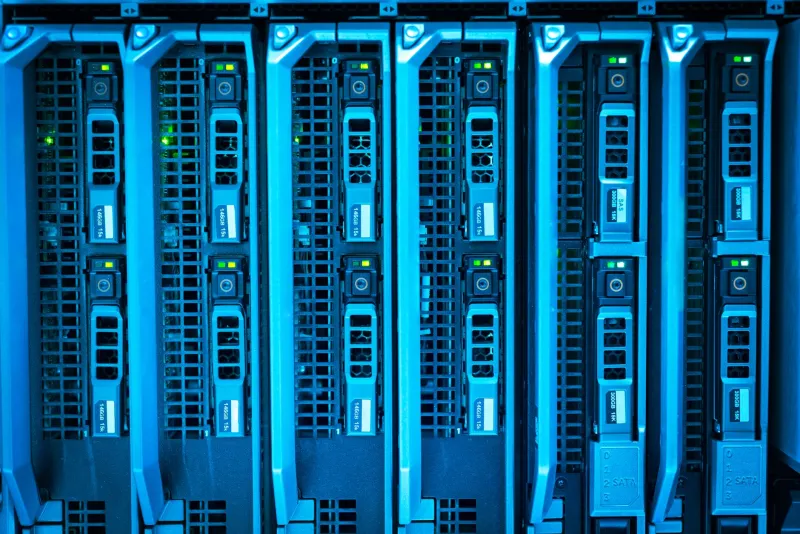
Modern slot machines aren't standalone devices. They're networked endpoints connected to casino management systems, progressive jackpot pools, player tracking databases, and in some cases, cloud-based analytics platforms. That network infrastructure requires constant investment.
Latency matters enormously in linked progressive jackpots. When a jackpot triggers, the system needs to lock out all connected machines simultaneously and confirm the win — a process that has to happen in milliseconds to prevent duplicate claims or disputes. Casinos spend heavily on the network hardware and redundancy systems that make this work reliably at scale.
Think about a major Las Vegas property running thousands of machines across multiple floors, all tied into shared jackpot pools. The backend infrastructure keeping that running smoothly is genuinely complex engineering — and it gets upgraded regularly, invisibly, with zero fanfare.
Accessibility and UX Research: The Soft Science of Seat Time
Not all the investment is purely technical. Casinos are increasingly funding UX research — studying how players physically interact with machines, how button placement affects fatigue, how screen brightness impacts extended play sessions, and how audio design shapes emotional responses.
This is behavioral science applied to casino floors, and it's more rigorous than you might expect. Eye-tracking studies. Biometric feedback sessions. Ethnographic observation of real players in live casino environments. The findings feed directly into machine redesigns and software updates that optimize what the industry calls "seat time" — keeping players comfortable and engaged for longer sessions.
From a pure gaming experience standpoint, some of this research genuinely benefits players. Machines are becoming more ergonomic, easier to read, and less visually fatiguing. But make no mistake — the primary driver is retention, not player welfare.
What This Means for Your Next Session
So you've just walked onto a freshly updated slot floor. The machines look mostly the same. Maybe a few new titles, a couple of upgraded cabinet designs. But underneath that familiar surface, you're potentially interacting with a completely rebuilt mathematical environment.
Here's the practical takeaway: pay attention to how a machine feels in terms of hit frequency and payout rhythm, not just how it looks. If a game you've played for years suddenly feels tighter or looser than you remember, you're probably not imagining it. Floor refreshes often include quiet reconfigurations of volatility settings across existing titles.
Also worth knowing: those predictive behavior systems work in aggregate, not on individual player profiles in most jurisdictions. They're tuning the game for the average player, not specifically for you. Which means there's still room to play smart, manage your bankroll deliberately, and make decisions that the average player isn't making.
The casino is investing millions in understanding how you behave. The best response is to understand it right back.
The Arms Race Has No Finish Line
Here's the thing about all this invisible investment — it never stops. Regulatory requirements evolve. Cheat techniques advance. Player behavior shifts. New data creates new optimization opportunities. The cycle of behind-the-scenes upgrades is essentially permanent.
For players at PGSlot King, that's worth keeping in mind every time you spin. The machine in front of you isn't static technology. It's a continuously refined system, shaped by enormous amounts of research, data, and capital — most of which you'll never see.
Knowing that doesn't change the odds. But it changes how you think about the game. And thinking clearly about the game is always where smart play starts.