Glitter, Gimmicks, and Genuine Value: What's Really Behind Casinos' Billion-Dollar Bet on Better Slots
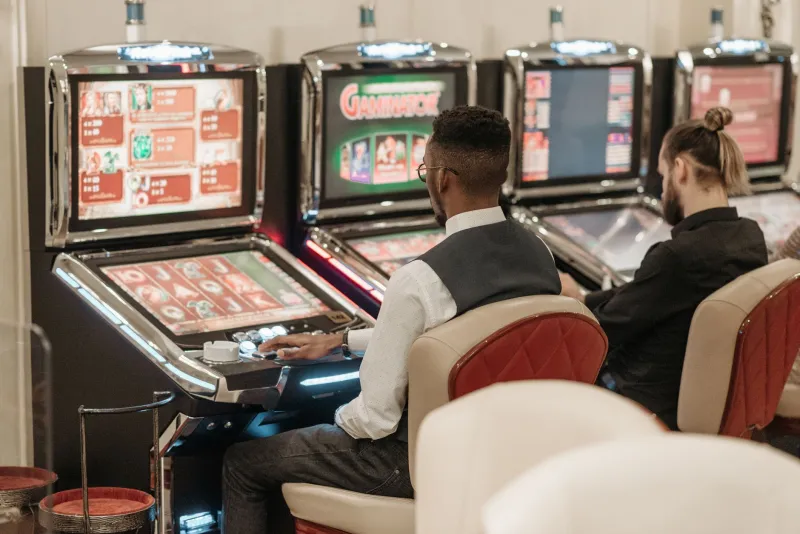
There's a quiet war being fought across every casino floor in America — and on every app loading on your phone at midnight. It's not between players. It's between casinos themselves, and the weapon of choice is the slot machine.
Over the last five years, the investment in slot technology has gone from "notable" to genuinely eye-watering. Game developers and casino operators are spending hundreds of millions annually on cinematic graphics, multi-stage bonus rounds, linked progressive jackpots, and social features that blur the line between gambling and video gaming. The pitch to players is simple: this is more fun, more immersive, more you. But the smarter question — the one worth asking before you sit down and start feeding in bills — is whether any of this actually helps you win, or whether it's just a very expensive distraction.
The Arms Race Is Real, and It's Accelerating
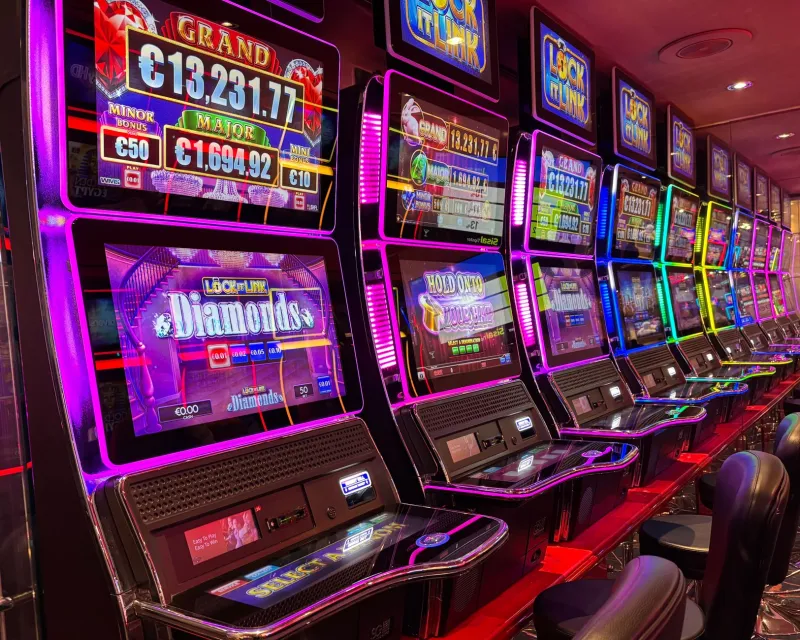
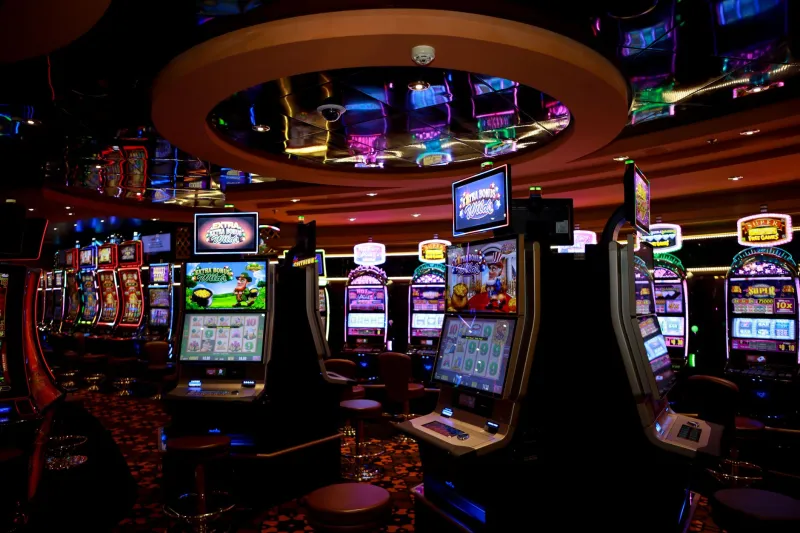
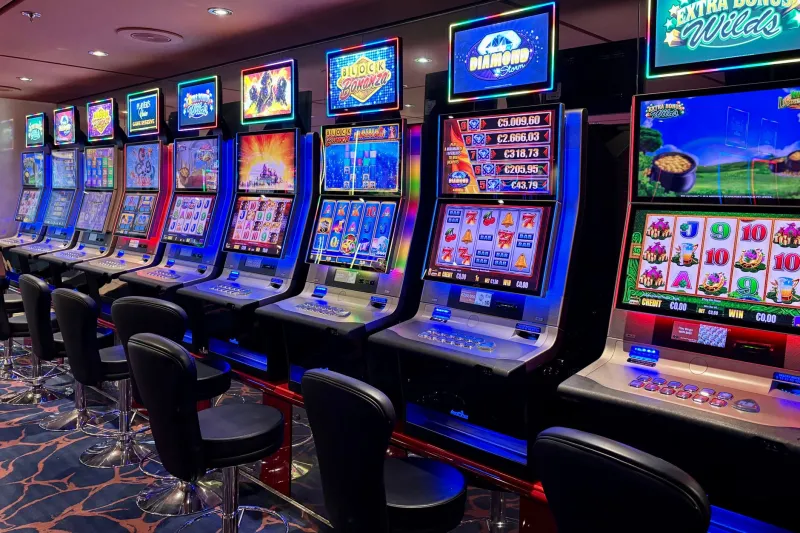
Walk into any major Las Vegas casino today compared to ten years ago and the difference is jarring. The old rows of mechanical reels and basic video screens have been replaced by curved 4K displays, surround-sound audio environments, and chairs that vibrate when you hit a bonus. Games like Dragon Link, Buffalo Gold, and the Lightning Cash series didn't just become popular — they became events. Players plan trips around finding specific machines. Communities form online to share session footage.
Online platforms have doubled down even harder. Without the physical constraints of a casino floor, digital operators can roll out new titles weekly, stack welcome bonuses on top of free spins on top of loyalty multipliers, and integrate leaderboards that let you compete against other players in real time. The average online slot in 2024 has more moving parts than many video games from a decade ago.
Game development studios — names like Aristocrat, IGT, Light & Wonder, and the rapidly growing roster of online-first developers — are in constant competition to land contracts with the biggest operators. That competition filters down directly to what ends up on the screen in front of you.
What All This Actually Costs the Casino — And Who Pays
Here's where things get interesting. Premium slot cabinets for physical casinos can run anywhere from $15,000 to $30,000 per unit. Licensing fees for branded titles — think your favorite movie or TV show slapped on a slot — add another significant layer of cost. Online operators face their own version of this through revenue-share agreements with developers and the constant expense of keeping a game library fresh enough to retain players.
None of this is charity. Casinos aren't spending that money hoping players come out ahead. The business model is straightforward: a more engaging game keeps you at the machine longer, which increases the total amount wagered, which — given the built-in house edge — increases the casino's take over time. Session length is the metric that matters most, and every design innovation is ultimately aimed at stretching it.
That's not cynicism, it's just how the economics work. And honestly, knowing that gives you a real edge.
The Bonus Round Illusion
One of the most effective tools in modern slot design is the multi-level bonus system. Games now commonly feature three, four, or even five distinct bonus stages — collect enough symbols, climb a meter, trigger a wheel spin, unlock a jackpot pick. It feels like progression. It feels like skill.
And here's the thing: it kind of is. Some bonus structures do give players meaningful choices that affect outcomes. But the vast majority of the complexity is cosmetic — elaborate theater wrapping around the same core random number generator that's always been there. The house edge on a game with a five-stage bonus round isn't fundamentally different from a simpler title with comparable RTP. What the layers do is make time pass faster and make losses feel less like losses and more like "almost getting there."
Smart players learn to look past the production value and find the actual math. Check the paytable. Look up the published RTP. Understand the volatility profile before you commit serious bankroll. A gorgeous game with a 91% RTP is a worse deal than a visually boring game sitting at 96%, full stop.
Social Features: Fun Add-On or Attention Trap?
Online platforms have been particularly aggressive about building social layers into their slot offerings. Tournament modes, community jackpots, chat features, leaderboards — the idea is to give you a reason to stay connected to the platform even when you're not actively spinning. Some of this genuinely adds value. Slot tournaments with fixed buy-ins and real prize pools can offer solid expected value if you understand the structure. Community jackpots that contribute a portion of every spin across a network can produce massive payouts.
But a lot of it is stickiness for stickiness's sake. Leaderboards that reset weekly create artificial urgency. "Daily challenges" that reward you for hitting a spin target are just loyalty programs dressed up as gameplay. None of it is inherently bad — but all of it is worth recognizing for what it is before it starts driving your decisions.
What Players Are Actually Winning From All This
Here's the honest answer: in some ways, quite a bit. The competition between casinos and platforms has pushed RTPs higher in certain categories, particularly in the online space where players can comparison shop easily. Bonus offers have gotten more generous — at least on paper — as platforms fight for new signups. And the sheer volume of game variety means there's genuinely something for every play style and budget.
The innovation in jackpot networks has also been real. Linked progressives across multiple casinos or platforms can build to life-changing numbers, and those are legitimate wins that real Americans have taken home. The odds are long, but the prizes are real.
What players aren't winning is extra value just because a game looks incredible. Graphics don't move the RTP needle. A licensed IP doesn't improve your odds. The most expensive game on the floor isn't the most generous one.
How to Play the Innovation Game on Your Terms
The casinos are going to keep spending. The games are going to keep getting flashier. That's fine — more entertainment value isn't a bad thing when you're treating slots as exactly what they are: a form of paid entertainment with a shot at a serious payday.
The players who come out ahead — in the sense of maximizing fun per dollar and giving themselves the best realistic shot at a win — are the ones who don't let the spectacle override the fundamentals. Set a session budget before you sit down. Know the RTP of what you're playing. Treat bonus features as exciting extras, not as a guarantee of better returns.
The casinos spent millions to build these games. You don't have to let that investment work against you. Know what you're walking into, enjoy the show, and keep your head clear enough to walk away when the time is right.
That's how you rule the reels — even when the reels are trying their hardest to rule you.