Gone Without a Goodbye: The Hidden Business of Pulling Your Favorite Slot Off the Floor
There's a specific kind of disappointment that only slot players understand. You've been playing the same machine for months. You know its rhythms, its bonus rounds, the exact moment the music shifts when free spins are triggered. Then one Tuesday it's gone, replaced by a cabinet you've never seen, sitting there like it owns the place.
It's not personal — but it's definitely not random either. The decisions behind machine rotation are surprisingly calculated, and understanding them can genuinely change how you approach the casino floor.
The Slot Floor Is a Living Organism
Casino floor managers don't think of their slot inventory the way most players do. To a player, a beloved machine is almost a relationship. To a floor manager, it's a revenue-generating asset with a performance curve.
Every machine on a casino floor is tracked obsessively. Coin-in totals, hold percentages, average session length, time-of-day traffic — all of it gets logged and analyzed. Most mid-to-large US casinos review their floor performance on a rolling 30 to 90 day basis, and underperforming machines get flagged quickly.
"The floor is finite," one gaming operations director at a regional Midwest casino explained. "Every square foot has to earn its keep. If a machine is sitting idle 60% of the time while the one next to it has a line, that's a math problem, not a sentimental decision."
Game manufacturers are also in the ear of floor managers constantly. Companies like IGT, Aristocrat, and Light & Wonder have dedicated sales teams whose entire job is to show operators performance benchmarks and pitch newer titles. A manufacturer can walk in with data showing that their latest release is outperforming your current top earner in 40 comparable markets. That's a hard conversation to ignore.
Why Beloved Games Disappear
So why does a machine that you love get pulled? A few reasons, and they're rarely about the game's quality.
Licensing contracts expire. A lot of the most popular slot themes — branded games tied to movies, TV shows, musicians — exist on the floor because of licensing deals between the manufacturer and the IP holder. When those contracts lapse, the machines can legally have to be removed or converted. That's often why a game you loved just vanishes without any official announcement.
Parts availability dries up. Older cabinet models eventually reach a point where replacement components become scarce or prohibitively expensive. A machine that needs a new bill validator or display panel might cost more to fix than it earns in a quarter. Retirement becomes the practical call.
Player demographics shift. This one is big right now. Younger players entering the casino market have different aesthetic expectations — they want larger screens, immersive sound design, skill-based bonus elements, and themes that feel current. A classic three-reel game that packed the floor in 2012 might now sit idle because the audience that loved it has aged out of peak casino visitation.
The new stuff is just better at holding attention. Modern slot cabinets — think the towering curved screens, the haptic-feedback chairs, the community jackpot displays — are engineered specifically to maximize engagement metrics. Older machines, however beloved, simply can't compete on those terms.
What's Moving In
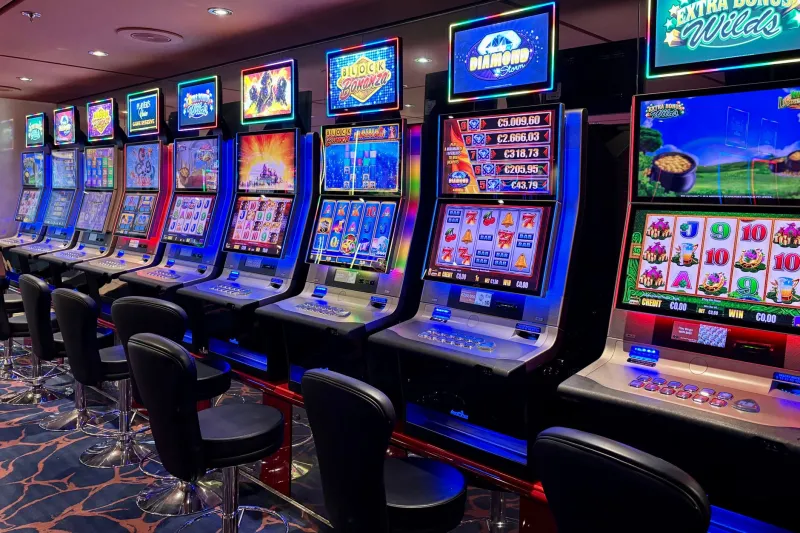
If you've been in a US casino in the last 18 months, you've noticed the shift. The floor is filling up with a few distinct categories of new arrivals.
Link and community jackpot systems are everywhere. Games like Dancing Drums Explosion or Dragon Link draw crowds because the shared jackpot mechanic creates a communal energy that standalone machines can't replicate. When someone hits the major, the whole section knows it. That social dynamic is catnip for casino operators trying to extend dwell time.
Hybrid skill-and-chance machines are making a real push. Regulators in several states have loosened restrictions to allow games where player decisions during bonus rounds can marginally affect outcomes. Manufacturers are betting big on this category to court players who feel like pure luck games don't offer enough engagement.
Nostalgia reboots are having a moment, too — but with modern guts. A game might carry the name and basic theme of something from 20 years ago but run on a completely new math model with updated volatility profiles and a contemporary cabinet. It's comfort food with a new recipe.
How to Adapt When Your Go-To Game Disappears
Here's the practical side of all this. If you've built a playing strategy around a specific machine, having it yanked from the floor can feel like starting from scratch. It doesn't have to be.
Find the math twin. Most games have a volatility profile and a general RTP range. If your favorite was a medium-volatility game with frequent small hits and an occasional big bonus, look for new titles in the same ballpark. The manufacturer's website or a quick search on slot review databases can give you the numbers.
Ask the floor staff. This one is underused. A floor attendant or slot host can often tell you if a game was relocated to another section, moved to a different property in the same chain, or replaced by something with a similar play style. They're not always able to help, but they're more plugged in than most players realize.
Treat the rotation as an opportunity. New machines often — not always, but often — debut with looser hold percentages to generate buzz and establish a player base. Casinos want people talking about the new game. That doesn't mean you're guaranteed to win, but it's worth factoring into your exploration.
Stay flexible on your session plan. Players who lock in hard on a single machine tend to have the roughest time when the floor changes. Building a short list of two or three games you enjoy playing gives you options without sending you wandering the floor for an hour.
The slot floor is always moving. Games come and go based on spreadsheets, licensing deals, and demographic trends that have nothing to do with whether the game was actually any good. The players who handle it best are the ones who understand the business well enough not to take it personally — and who know how to find their next favorite before the night's over.