Old School Is the New Cool: Why Stripped-Down Slots Are Quietly Dominating Casino Floors
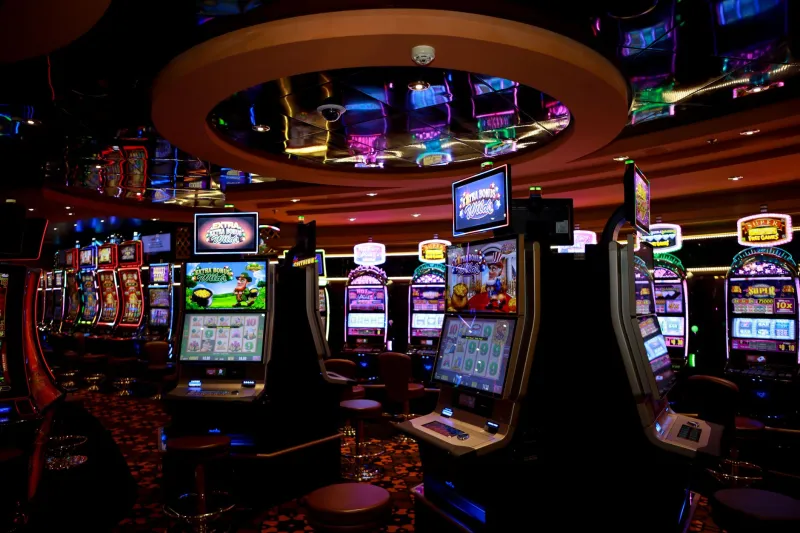
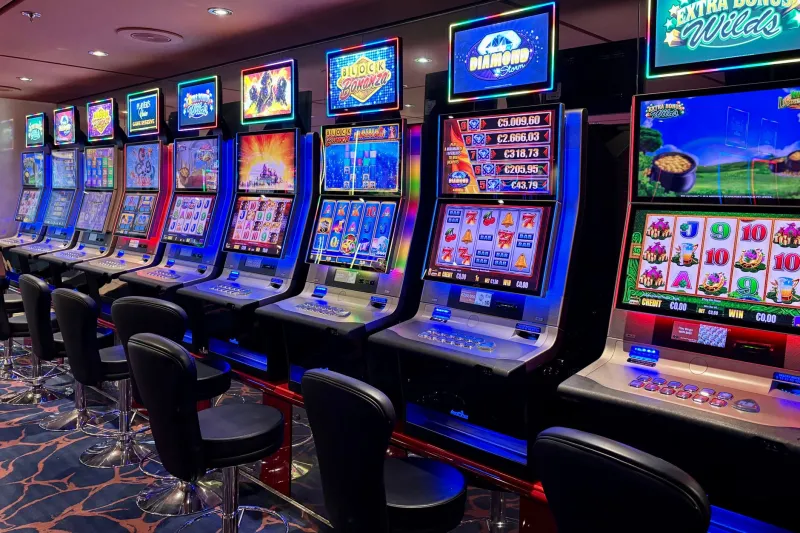
Walk through any major casino in Las Vegas, Atlantic City, or even a tribal gaming floor in the Midwest right now, and you'll notice something that doesn't quite fit the narrative the industry has been selling for the past decade. Tucked between towering video slots with movie-quality graphics and enough bonus mechanics to fill a rulebook, there are rows of simpler machines — fewer reels, fewer features, fewer distractions — and they are packed.
The resurgence of classic-style slots isn't just a blip. Casino operators are paying attention, manufacturers are responding, and players across a wider age range than you might expect are actively choosing simplicity over spectacle. So what's actually driving this?
The Feature Fatigue Problem Nobody Wanted to Admit
For years, the slot industry operated on a pretty straightforward philosophy: more is more. Add another bonus round. Stack a second wild mechanic on top of the first. Give the game a cinematic intro sequence. The assumption was that players wanted to be wowed, and the data from new game launches seemed to back it up — at least initially.
But something shifted. Players who had been chasing complex feature trees started reporting something that sounds almost counterintuitive: exhaustion. Not physical tiredness, but a kind of cognitive overload that comes from managing too many variables at once. When a single spin can trigger a cascading respin that feeds into a pick-me bonus that unlocks a multiplier trail that then determines your free spins count, the experience stops feeling like entertainment and starts feeling like homework.
Industry insiders have started calling this "feature fatigue," and it's real. When players feel like they need to study a game before they play it, a significant chunk of them will simply choose not to.
What Classic Slots Actually Offer That Modern Games Don't
Here's the thing about a well-designed three-reel or five-reel classic slot: the feedback loop is immediate and clean. You spin, something happens, you understand what happened, and you spin again. There's no buffering period while your brain processes three simultaneous bonus mechanics. The dopamine hit — win or near-miss — arrives fast and without confusion.
For a lot of players, that clarity is genuinely pleasurable. It's not that they can't handle complexity. It's that they're choosing not to deal with it on their downtime. Think about it like this: after a long week, do you want to sit down with a strategy game that demands your full attention, or do you want something that lets you decompress while still giving you a shot at a real payout?
Classic slots serve that second purpose almost perfectly. And in a leisure context, "easy to enjoy" is never a weakness.
The Demographics Tell an Interesting Story
Here's where conventional wisdom gets complicated. The assumption has always been that classic slots are a boomer preference — something older players gravitate toward because it's what they grew up with. And sure, that demographic absolutely contributes to the trend. Nostalgia is a powerful force, and for players who remember feeding quarters into a Liberty Bell machine at a Reno casino in the 1980s, returning to that format carries genuine emotional weight.
But casino operators are reporting something more surprising: younger players, including millennials in their mid-30s, are increasingly drawn to classic formats too. Not because of nostalgia — they don't have it — but because of aesthetic preference and a reaction against information overload in their daily digital lives.
Think about the broader cultural moment. Vinyl records are outselling CDs. Film photography is having a moment. "Dumb phones" are a genuine lifestyle choice for some tech-saturated professionals. The appeal of analog simplicity isn't limited to people who lived through the original era. Sometimes a stripped-down experience is appealing precisely because everything else is so maximalist.
What Casinos Are Learning (and Quietly Changing)
Floor space is money in a casino. Every square foot is a calculated decision, and operators don't keep underperforming machines around out of sentimentality. The fact that classic slot sections are being maintained — and in some properties, expanded — tells you everything you need to know about how they're actually performing.
Some regional casinos have gone further, creating dedicated "classic zones" that lean into the retro aesthetic with period-appropriate cabinet designs and soundscapes. It's a deliberate experience design choice, and it's working. Players stay longer in environments that feel cohesive and intentional, and a well-curated classic section delivers that.
Manufacturers have also picked up on the signal. Several major slot developers have released "modern classic" titles in the past two years — games that use contemporary RNG technology and display hardware but deliberately strip back the feature count to replicate that clean, fast gameplay loop. It's a fascinating design exercise: building a simple game on purpose, when your engineers could make it far more complicated.
Is Nostalgia Doing the Heavy Lifting, or Is It Pure Game Design?
This is probably the most interesting question in the whole conversation, and the honest answer is: both, but in different proportions for different players.
For older players, nostalgia is clearly part of the draw. Sitting down at a machine that looks and sounds like something from a formative life experience activates a kind of comfort response that no amount of HD graphics can replicate. That's not a trivial thing — emotional resonance with a game format translates directly into longer sessions and higher satisfaction scores.
For younger players, it's almost purely design-driven. They're responding to the actual gameplay experience — the speed, the clarity, the lack of friction — without any sentimental attachment to the format itself. Which, if anything, is a more durable foundation for the trend. Nostalgia fades as demographics shift. Good game design doesn't.
What This Means If You're Choosing Your Next Game
If you've been defaulting to the newest, most feature-heavy title on the floor because you assumed that's where the best experience lives, it might be worth reconsidering. Classic slots aren't a consolation prize for people who find modern games confusing. They're a legitimate gameplay choice with real advantages: faster pace, easier bankroll tracking, and a lower cognitive load that can actually make your session more enjoyable.
They also tend to have lower volatility profiles, which means more frequent (if smaller) wins — a structure that works really well for players who want to extend their time on the floor without burning through their bankroll chasing a single massive bonus trigger.
The reels have been spinning for over a century now. Turns out, the original design was onto something.