Vegas Can't Keep Up: How Online Casinos Are Leaving the Strip in the Dust
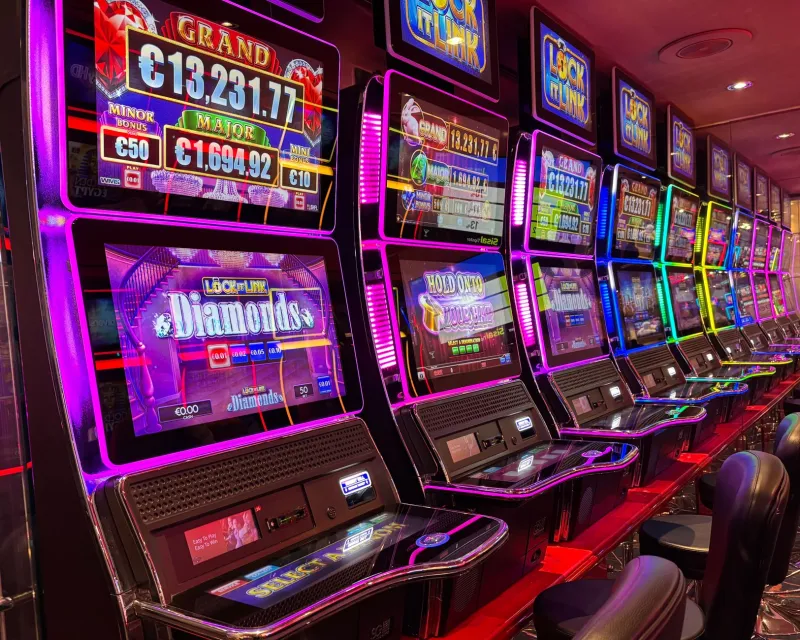
There's a reason seasoned slot players keep migrating toward their screens. It's not just convenience — it's that the games online are genuinely more interesting right now. Fresher mechanics, wilder bonus structures, features that feel like they were designed last Tuesday. Because in a lot of cases, they basically were.
The gap between what you'll find on a casino floor in Las Vegas versus what's waiting for you on a top-tier online platform has never been wider. And it's widening fast. Here's why.
The Physical Casino's Dirty Little Secret: Slow Everything
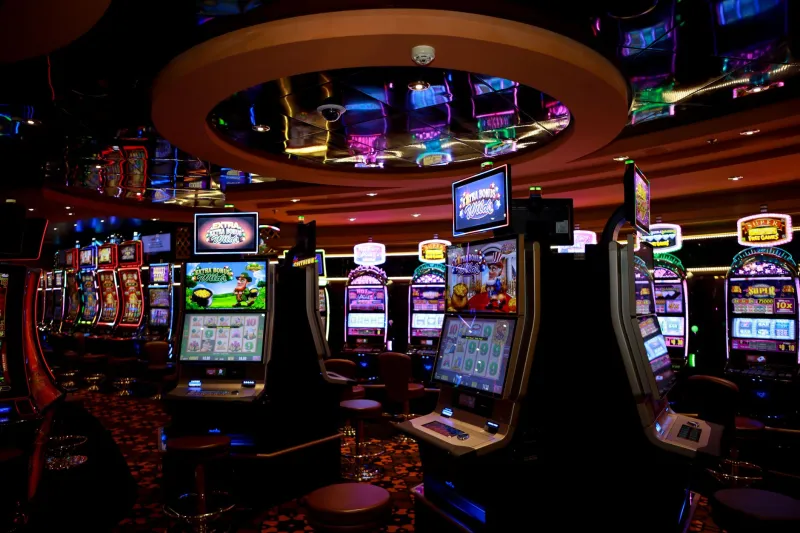
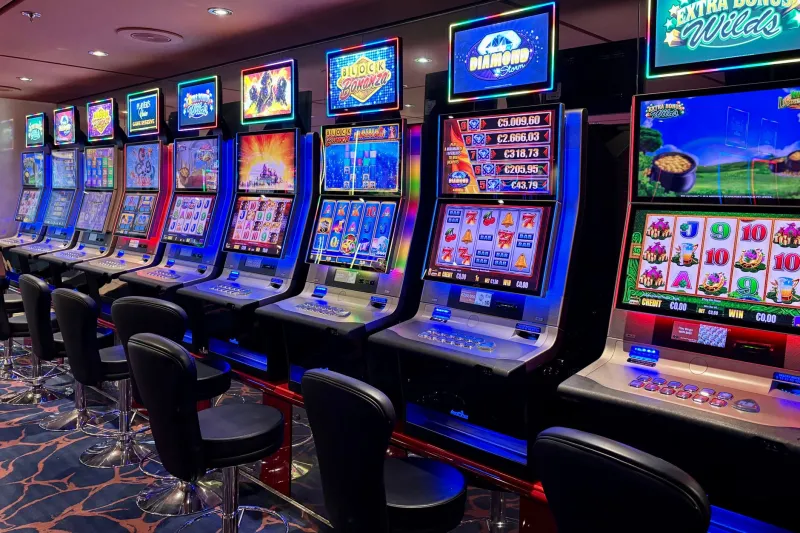
Walk into any major Strip property and you'll notice something if you pay attention — a lot of those machines look familiar. Not just familiar like a classic, but familiar like you played that same game two years ago at a casino three states away. That's not an accident.
Brick-and-mortar casinos operate under a weight of logistics that online platforms simply don't carry. Installing a new slot machine isn't like pushing an app update. It involves regulatory approval in the specific state, hardware procurement, floor space negotiation, staff training, and in many cases, a months-long queue before a manufacturer can even deliver the physical unit. By the time a new game concept clears all those hurdles and hits an actual casino floor, the original design may already feel dated.
For large resort properties especially, the calculus gets even messier. High-traffic machines that are already generating revenue are hard to pull. Casino operators are reluctant to swap out a proven earner for an unproven newcomer, no matter how exciting the mechanics sound on paper.
Online Platforms Move at a Different Clock
Digital operators live in a completely different time zone when it comes to deployment. A new slot game — complete with a fresh bonus round structure, an experimental volatility profile, or a mechanic nobody's tried before — can go from internal testing to live availability in a matter of weeks. Sometimes less.
That speed is a function of the infrastructure. There's no hardware to ship. No floor space to negotiate. Regulatory licensing for online slots, while still real and necessary, is increasingly streamlined in legal US markets as state frameworks mature. And because online platforms can run multiple games simultaneously without the physical constraint of square footage, they're not sacrificing existing revenue to introduce something new — they're just adding to the menu.
The result? Players logging into a reputable online casino in New Jersey, Michigan, or Pennsylvania right now have access to a rotating catalog that refreshes constantly. New titles drop regularly. Limited-time mechanics get tested, refined based on player behavior data, and either graduated into the permanent lineup or retired — all within a window that a physical casino couldn't even complete the paperwork for.
The Data Advantage Is Massive
Here's where things get really interesting. Online casinos don't just move faster — they move smarter. Every spin on a digital platform generates data. Click patterns, session lengths, which bonus features players engage with most, where people bail out of a game, what volatility levels keep people coming back. That information feeds directly back into game development cycles.
Software studios working with online operators can essentially A/B test slot mechanics in real time. Imagine rolling out two versions of a cascading reels feature to different player segments, measuring engagement over 72 hours, and then standardizing the better-performing version across the platform. That kind of iterative refinement is science fiction in a physical casino environment. On a digital platform, it's Tuesday afternoon.
This data loop is accelerating the quality of online slots at a compounding rate. The games aren't just launching faster — each generation is genuinely better informed by what came before it.
What's Actually Showing Up in Online Slots That Vegas Hasn't Caught Up To
The mechanical gap is visible if you know what to look for. Some of the features now standard on leading online platforms are still novelties — or outright absent — on most physical casino floors in the US.
Tumble and Cluster Mechanics: Rather than traditional spinning reels, many online slots now use cascading symbols or cluster-pays systems where winning combinations disappear and new symbols fall in, potentially triggering chain reactions. Physical slot machines can simulate this on a video screen, but the gaming experience rarely matches the polish of a dedicated digital build.
Dynamic Volatility Adjustment: Some online platforms are experimenting with letting players tune the risk profile of a game mid-session — essentially choosing between a more frequent but smaller payout mode versus a high-variance, high-ceiling mode. That level of player agency is nearly nonexistent in physical casinos.
Narrative-Driven Bonus Arcs: Online slots increasingly feature multi-stage bonus sequences that evolve over multiple sessions, building toward larger payoff events. The kind of persistent progression systems borrowed from video gaming culture. Vegas floors have nothing remotely comparable at scale.
Live Integration Features: Some digital platforms are now blending slot gameplay with live dealer elements — hybrid experiences that don't have a clean physical-world equivalent.
Does This Mean Vegas Is Finished?
Not even close. The Strip isn't going anywhere, and there's a whole category of experience — the atmosphere, the spectacle, the social energy of a casino floor — that a screen genuinely can't replicate. High-limit rooms, celebrity sightings, the sensory overload of a place like the Bellagio at midnight — that's a product that online casinos aren't competing with directly.
But for pure slot innovation? For players who care about what's happening mechanically inside the game, who want fresh experiences and cutting-edge features on a regular basis? The advantage has clearly shifted. And it's not subtle anymore.
Physical casinos are starting to respond — more digital integrations, partnerships with online studios, experiments with app-connected gaming. But they're playing catch-up in a race where the other side has a significant head start and is only accelerating.
Where This Leaves American Players
If you're in a state where regulated online casino gaming is available, you're sitting in the best seat in the house right now. The pace of new releases, the quality of mechanics, and the sheer variety of what's available digitally has outrun what you'll find walking a casino floor — even a world-class one.
For players in states still waiting on online casino legislation, the gap is motivation to pay attention to how that regulatory picture evolves. The platforms are ready. The games are ready. The question is just when the legal framework catches up in your state.
Either way, the slot machine arms race is real — and online is winning it, one feature drop at a time.