Fast Spins, Slow Burns: What's Really Going On When One Casino Feels Totally Different From Another
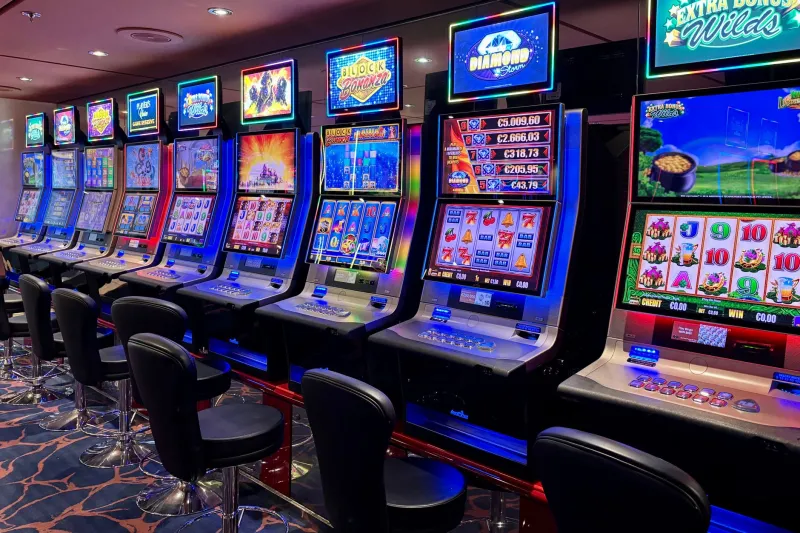
You've probably felt it before. You sit down at a slot in one casino, and the whole experience just moves. The reels zip, the wins flash, the bonus round kicks in before you've barely blinked. Then you head somewhere else — maybe a different property down the Strip, or you switch from a Vegas floor to an online platform — and suddenly everything feels like it's running through molasses. Same type of game. Same bet size. Completely different vibe.
So what's actually happening? Is one place rigging the machine to slow you down? Is the other one cutting corners on the software? The answer is more interesting than either of those, and once you understand it, you'll never walk into a casino the same way again.
The Anatomy of a Single Spin
Most players think of a spin as one action: you press the button, the reels spin, you win or lose. But from a design standpoint, a single spin is actually a sequence of micro-events stitched together.
There's the moment you initiate the spin. Then the reel animation itself — which can range from a fraction of a second to several full seconds depending on the game. Then there's the "resolve" phase, where the game registers your outcome and decides how to present it. After that comes the win celebration (or the quiet nothing of a loss), and finally the machine resets and waits for your next input.
Game designers have control over almost every one of those intervals. And the choices they make — even tiny ones, like whether a losing spin takes 1.8 seconds or 2.4 seconds — accumulate into something that dramatically shapes how a session feels.
Why Speed Feels Like Excitement
Here's where the psychology gets fascinating. Human brains are wired to associate speed with reward. Faster feedback loops trigger more frequent dopamine responses, which is why quick-spin features on modern slots aren't just a convenience — they're a psychological lever.
Research into what's sometimes called "event frequency" in gambling shows that the faster outcomes arrive, the more engaged players tend to feel. It's the same reason video games feel more addictive than board games. Rapid feedback keeps the brain in a state of anticipation, essentially running a continuous loop of "what happens next?"
Casinos and game developers know this. It's not a conspiracy — it's just product design. A platform that wants to project energy and excitement will often program faster default spin speeds and shorter celebration animations. A game built for a more relaxed, premium feel might intentionally slow things down to create a sense of occasion around each spin.
The Platform Gap: Land-Based vs. Online
If you've ever bounced between playing slots at a physical casino and spinning on an online platform, you've already experienced the platform gap firsthand. Land-based machines have physical components — reels (or simulated reel displays), touch screens with their own response latency, and hardware that varies by manufacturer and age. An older cabinet running decade-old firmware is going to feel noticeably different from a brand-new game installed last month.
Online slots, by contrast, are entirely software-driven. That means the speed of your experience is partly determined by your internet connection and device, but mostly by the game's own code. Online platforms also tend to offer turbo or quick-spin modes as standard features, letting you compress a spin into under a second. Some players love this. Others find it strips away the drama.
What's worth understanding is that neither format is inherently "faster" in terms of your actual odds. A spin that takes half a second and a spin that takes three seconds are both resolved by the same random number generator the instant you hit the button. The animation is just the presentation layer — it doesn't change what's already been decided.
Does Spin Speed Change Your Odds? Short Answer: No.
This is probably the question most players actually want answered, so let's be direct about it. Spin speed has zero effect on your probability of winning any given outcome. The RNG (random number generator) that determines your result fires the moment you initiate the spin. Everything after that — the spinning reels, the cascading symbols, the dramatic slowdown before a potential bonus — is purely visual storytelling.
What speed does affect is your exposure over time. If you're playing 600 spins an hour on a turbo-speed online slot instead of 400 spins an hour on a more leisurely machine, you're running through your bankroll faster regardless of the RTP. The house edge doesn't change, but the volume of decisions you're making in a given timeframe absolutely does. Faster play means more action — and more variance compressed into a shorter window.
Why Some Casino Floors Feel Sluggish
Not every slow-feeling casino is the result of intentional design. A lot of it comes down to hardware age, software maintenance cycles, and sometimes just the sheer density of machines drawing on the same network infrastructure. Older properties running legacy systems can't always push animations at the same frame rate as a newly renovated floor with cutting-edge cabinets.
There's also a regional element. Tribal casinos in some states operate under different equipment refresh schedules than major commercial properties in Nevada or New Jersey. If you've ever felt like a casino in a smaller market feels a little behind the times, there's a real technical reason for that — it's not just aesthetics.
Online platforms face their own version of this. A game built by a boutique developer in 2018 is going to feel different from a AAA slot released this year by a major studio. The underlying math might be comparable, but the presentation layer tells a very different story.
Using This Knowledge at the Reels
So how does any of this actually help you as a player? A few practical takeaways worth keeping in mind:
Faster isn't always better for your bankroll. If you're on a limited session budget, deliberately choosing games with slightly longer spin cycles can help you stretch your play time without sacrificing the entertainment value. Some players use this as an intentional pacing strategy.
Turbo mode is a feature, not a cheat code. Online casinos market quick-spin options as a convenience, and they are. But using them by default without thinking about your session length is a fast way to burn through your stake without realizing how quickly time is passing.
Your perception of a "hot" machine can be influenced by its animation timing. Games designed with dramatic near-miss animations and drawn-out reveal sequences can make losses feel more exciting than they are — which is worth being aware of when you're evaluating whether a machine is actually performing for you.
Switching venues is a reset, not a strategy. If a machine feels slow or cold at one casino and you move to a faster-feeling floor, you're not changing your luck. You're changing your sensory experience. The odds travel with the game math, not the cabinet.
The Bottom Line
The next time you walk into a casino and get that immediate sense that the energy is different — that the games feel snappier or more sluggish than somewhere else you've played — trust your instincts, because they're picking up on something real. Game speed, animation timing, and platform infrastructure all combine to create a distinct feel that varies from venue to venue and game to game.
Just remember that underneath all of it, the math is doing exactly what it's always doing. The reels might spin faster or slower. The wins might flash brighter or quieter. But the odds are the same patient, indifferent force they've always been — waiting for you on every single spin, no matter how fast it arrives.