Can You Actually Time a Slot Machine? We Looked at the Science So You Don't Have To
Every few months a new video goes viral. Someone's filming their phone screen, narrating breathlessly about how they've identified a "tell" — the machine is "heating up," the bonus is "due," the pattern is right there if you just know what to look for. The comment section explodes. Thousands of people share it. And somewhere, a mathematician sighs deeply.
Let's actually dig into this. Not to be dismissive — the question of whether slot machines have predictable patterns is genuinely interesting. It's just that the answer requires understanding how these things actually work, which is more complicated than most viral videos bother to explain.
What an RNG Actually Does (In Plain English)
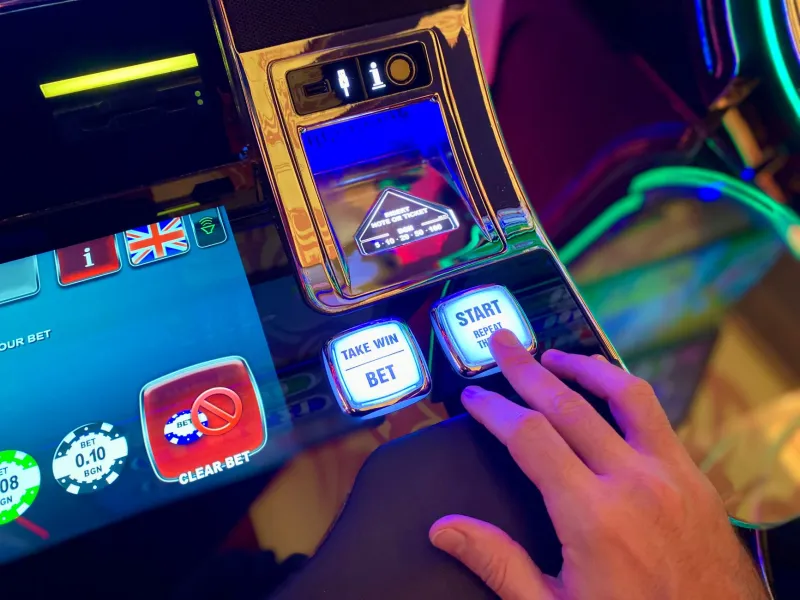
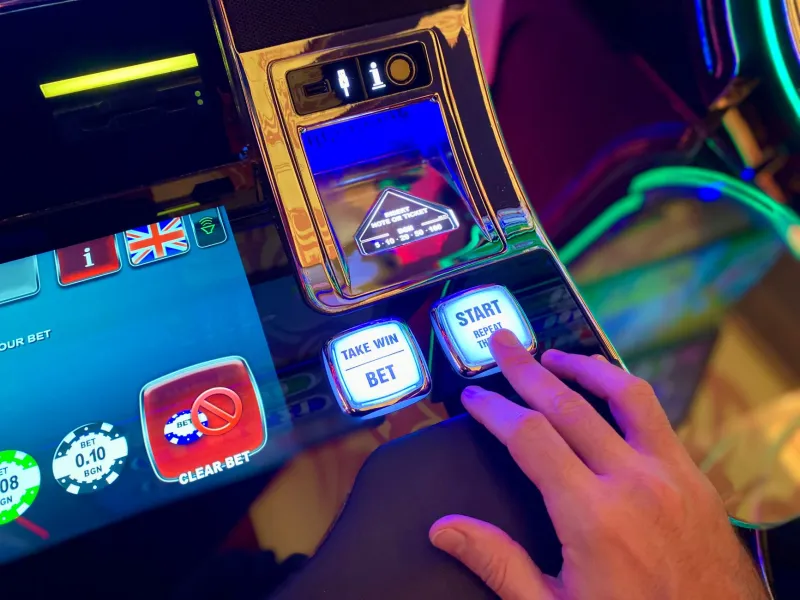
Every modern slot machine — whether it's a physical cabinet on a Vegas floor or a game running in an online casino — operates on a Random Number Generator. That's not just marketing language. It's a specific piece of software (or hardware, in some cases) that produces a continuous stream of numbers at a rate that can exceed thousands of values per second, even when no one is playing.
When you hit the spin button, the machine grabs whatever number the RNG is currently on at that precise millisecond and uses it to determine the outcome. The reels spinning on the screen are animation. The result was already decided the instant you pressed the button.
Here's the part that matters for the prediction question: the RNG doesn't have memory. Each spin is statistically independent of every spin before it. A machine that hasn't paid out a bonus in 400 spins is not "due." A machine that just hit a jackpot is not "cold." From the RNG's perspective, every spin is the first spin.
This property has a formal name in probability theory — independence of events — and it's the same reason a coin that's landed on heads 10 times in a row still has a 50/50 shot on the next flip. The coin doesn't know what it did before. Neither does the RNG.
The Viral Strategies, Examined
So what about the specific techniques circulating online? Let's look at the most common ones.
"Watch for the bonus to build up." Some progressive jackpot games do show a meter that climbs over time. This is real, and there's a legitimate concept called advantage play that involves tracking jackpot meters on specific game types. But for standard bonus rounds on regular video slots? There is no meter. There's nothing building up. The bonus is triggered by a random combination, and that combination has the same probability on spin one as it does on spin five hundred.
"Play right after someone leaves a cold machine." The logic here is that the previous player "put in" a lot of money and the machine is now primed to pay. This is the gambler's fallacy dressed up as strategy. The machine has no awareness of the previous session. Your spin is evaluated entirely on its own terms.
"Bet timing patterns — spin at X seconds intervals." This one gets creative. The claim is that the RNG has a rhythm and you can sync your spins to a payout cycle. Modern RNGs are specifically designed to be aperiodic — meaning they don't cycle in any predictable way. The intervals you're timing have no relationship to outcomes. You'd have an easier time predicting weather.
"Watch for visual tells in the animation." Some players claim the reels "feel" different before a big win — slower, or with a slight hesitation. This is perception bias working overtime. The animation is cosmetic and runs independently of the RNG result. Your brain is pattern-matching on noise.
Why We Believe Anyway
Here's where it gets genuinely interesting, and it's something we've touched on before at PGSlot King: the human brain is a pattern-recognition machine that doesn't come with an off switch.
We evolved to find patterns because patterns kept us alive. Noticing that a certain type of cloud precedes a storm, or that a particular animal behavior signals danger — those were survival skills. The problem is that this same hardware runs constantly, even when there's no real pattern to find. It generates false positives enthusiastically.
Slot machines are almost perfectly designed to exploit this tendency — not necessarily on purpose, but as a byproduct of how they work. Near-misses (two jackpot symbols with the third just above or below the payline) create the sensation of almost winning. Intermittent reinforcement — the unpredictable timing of wins — is one of the most powerful behavioral conditioning mechanisms known. Your brain starts building a story about why you won when you did, and that story feels true even when it isn't.
This is why the TikTok videos get traction. The person posting them genuinely believes what they're saying. They hit a bonus after following their pattern, and the win confirmed the theory. They don't post the 200 sessions where the pattern failed.
What You Can Actually Observe
This doesn't mean players are entirely without information. There are things you can legitimately factor into your game selection.
Published RTP figures tell you the theoretical long-run return on a game. A 96% RTP game will, over millions of spins, return more than a 91% RTP game. That's real math you can use when choosing where to put your money.
Volatility profiles are meaningful. High-volatility games pay less frequently but in larger amounts. Low-volatility games pay more often but smaller. Knowing which type fits your session length and bankroll is legitimate strategy.
Jackpot meter levels on specific progressive games can sometimes create positive expected value situations when the jackpot climbs high enough — but this requires detailed knowledge of specific game math and is a narrow application, not a general principle.
Your own session data is useful for managing your bankroll, even if it tells you nothing about future outcomes. Knowing when you've hit your loss limit or your win target is information you can act on.
The Smarter Frame
The players who get the most out of their time on the reels aren't the ones trying to crack a code that doesn't exist. They're the ones who understand what slots actually are — games of chance with known parameters — and engage with them on those terms.
You can't predict a slot machine. But you can choose games with favorable math, manage your money intelligently, and recognize when your brain is telling you a story that the RNG doesn't agree with. That's not as exciting as a viral hack, but it's the closest thing to an edge that actually exists.